Santa Baby Font: A Sweet Script for Crafters and Sellers
As a crafter who loves to create products that feel personal and full of heart, I'm always on the lookout for fonts that bring warmth and charm to my designs. That’s why Santa Baby, a sweet and playful handwritten font from Script Amp, has become one of my favorites. Whether you're making greeting cards, product labels, or seasonal decorations, Santa Baby adds a touch of personality without compromising readability.
The Charm of Santa Baby
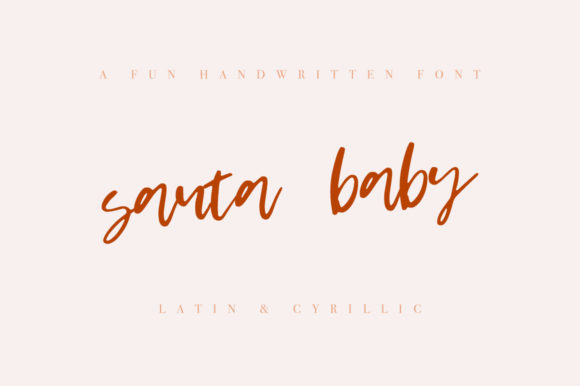
Handwritten script fonts can be tricky—some are too ornate, others lack clarity. Santa Baby strikes the perfect balance between elegance and approachability. Its flowing curves and friendly character shapes make it ideal for projects where you want your words to feel inviting yet professional. It's not just another script font; it's a typeface with soul, especially when used in handmade or printable goods that speak directly to customers' emotions.
This font isn't limited to holiday themes, though its name might suggest otherwise. The “Santa Baby” vibe is more about the soft, affectionate style than the season itself. It works beautifully in baby gifts, wedding stationery, boutique packaging, and even casual branding for small businesses. The subtle imperfections in the letterforms mimic real handwriting, giving digital designs an organic, handcrafted feel.
Real-World Uses for Santa Baby
Here are some practical ways I've used Santa Baby in my own craft projects:
- Candle Labels: I pair Santa Baby with a clean sans serif font for candle jar labels. The script adds a cozy, artisanal feel while the secondary font ensures the price and ingredients are easy to read.
- Birthday Invitations: For kids’ parties, this font brings a cheerful energy. I often use it for the title and key phrases like “Let the party begin!” or “Join the fun.”
- Farmhouse Signs: The softness of Santa Baby contrasts nicely with rustic textures and woodgrain backgrounds. It's great for short messages like “Welcome Home” or “Happy Holidays.”
- Printable Wall Art: When designing minimalist wall art for clients, I use Santa Baby sparingly for accents and quotes. It adds a modern yet personal touch that stands out without overwhelming the design.
- Boutique Tags: This font is perfect for custom tags attached to gift bags or handmade items. A little goes a long way—just the product name or a tagline styled in Santa Baby can elevate the whole look.
- Merchandise Design: On mugs, tote bags, and shirts, Santa Baby shines when used for short, impactful phrases. It's also excellent for SVG-style designs, especially when paired with bold outlines or fills.
- Holiday Packaging: I’ve used Santa Baby on gift wrap labels, ornament tags, and cookie boxes. Its whimsical nature makes it a natural fit for festive, joy-filled creations.
Readability and Production Tips
While Santa Baby is expressive and charming, it's important to keep readability in mind, especially for physical products. Here are some tips to ensure your designs stay clear and attractive:
- Use it wisely in small spaces: Avoid using Santa Baby in tiny text sizes or cramped areas. For product labels or stickers smaller than 3 inches, consider simplifying the script by using only the most legible characters or pairing it with a more structured font.
- Test with cutting machines: If you're using Santa Baby in SVG format for Cricut or Silhouette projects, preview how the letters will cut before printing. Some stylized scripts can have complex paths that may require manual adjustments for precision.
- Check ligatures and alternates: Like many high-quality script fonts, Santa Baby likely includes alternate characters and ligatures. These variations can help avoid awkward spacing or repetition, especially in longer decorative phrases.
- Always proofread: Handwritten fonts can obscure certain letters due to their fluid nature. Double-check your final design to ensure there’s no confusion between similar-looking characters like “u” and “n” or “o” and “a.”
Font Pairing Ideas for Brand Consistency
To maintain brand identity and visual harmony, I often pair Santa Baby with complementary typefaces. Here are a few combinations that work well:
- Santa Baby + Montserrat: This is my go-to combo for invitations and greeting cards. The clean lines of Montserrat provide structure, letting Santa Baby shine as the headline or calligraphy element.
- Santa Baby + Lora: Perfect for boutique tags and packaging. Lora’s classic serif complements the soft script with a timeless feel.
- Santa Baby + Raleway: Great for digital printables and web-based assets. The modern sans serif keeps things sleek while allowing the script to add personality.
- Santa Baby + Playfair Display: Ideal for luxury-style packaging or upscale stationery. The bold serifs of Playfair contrast beautifully with Santa Baby’s delicate strokes.
When choosing a pairing, think about the tone you want to set. Santa Baby is best suited for display use rather than body text. Let it take center stage for names, titles, or special messaging, then support it with a neutral font for information-heavy parts of your design.
Commercial Use and Licensing
If you're planning to sell products featuring Santa Baby, it's essential to confirm that the font license allows for commercial use. Many premium fonts do offer this, but it's always wise to review the terms provided by the designer or foundry.
For example, if you're creating digital templates or SVG files for resale, you must ensure the font supports those uses. Similarly, if you're printing items like mugs, shirts, or stickers, the licensing should cover physical production. Always check whether the font is PUA-encoded, which makes it easier to use with design software and ensures consistent rendering across platforms.
Bringing Personality to Your Products
Fonts are more than just tools—they’re part of your creative voice. With Santa Baby, you get a font that feels genuine and heartfelt, making it a great asset for building emotional connections with your audience. Whether you're crafting for a local market or selling globally through Etsy or other online shops, the right typography can make all the difference.
I’ve seen how a single font can influence the perceived quality of a product. Using Santa Baby consistently across my shop—from product tags to social media graphics—has helped establish a cohesive brand identity that customers recognize and trust. It gives everything a warm, welcoming feel that aligns perfectly with the handmade aesthetic.
Getting Started with Santa Baby
Before downloading Santa Baby, take a moment to explore what's included. Does it support multiple languages? Are there uppercase and lowercase styles, swashes, or alternate glyphs? These details matter when you're preparing for international sales or mixing case in your designs.
Once you have the font installed, start experimenting with mockups. Try placing it on different surfaces like fabric, paper, or metal to see how it looks in context. For digital downloads, make sure the font renders clearly in previews so buyers know exactly what they’re getting.
Also, consider how it fits into your overall design assets. Can you build a template around it? Will it work well in layered designs with textures or illustrations? The more you test, the better you’ll understand its strengths and limitations.
A Versatile Tool for Creative Makers
Santa Baby isn’t just a font—it’s a creative tool that helps me connect with my customers. From cute holiday prints to elegant wedding signage, this font adapts beautifully to a wide range of projects. Its versatility means I don’t have to switch fonts constantly, saving time and ensuring consistency across my product lines.
What sets Santa Baby apart is how it maintains a sense of authenticity. In a world full of mass-produced goods, adding a handwritten font like Santa Baby helps your products stand out. It tells customers you care about every detail, from the color palette to the typeface you choose.
If you're looking for a font that combines charm with functionality, Santa Baby from Script Amp is worth considering. It’s a premium font that delivers both beauty and usability, making it a valuable addition to any maker’s toolkit.