Hello Deer Font
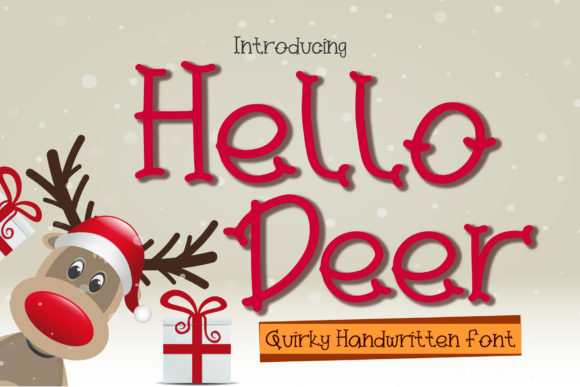
Hello Deer is a fun and quirky handwritten font that brings a unique personality to digital design. As a script amp, it offers a fresh alternative to traditional typefaces, making it ideal for web designers looking to add character to their layouts without sacrificing clarity.
Visual Characteristics and Digital Appeal
The Hello Deer font features soft curves and irregular shapes that mimic natural handwriting. This organic look adds warmth and approachability, making it perfect for creative projects that require a personal touch. Its visual appeal lies in its ability to stand out while remaining legible at various sizes.
When used in headers or titles, Hello Deer can draw attention and create a memorable brand impression. Its playful style works well with modern typography, especially when paired with clean sans serif fonts for body copy. This contrast helps maintain readability while adding visual interest.
Applications in Web Design
Web designers often use Hello Deer for hero sections, call-to-action buttons, and landing page titles. Its distinctive shape makes it an excellent choice for headlines that need to command attention. In online stores, it can be used for banners and product headings to create a cohesive visual identity.
For portfolio sites, Hello Deer adds a personal flair that reflects the creator's style. It also works well for coaching websites, where the font's friendly tone reinforces trust and connection with the audience. On course sales pages, it can be used to highlight key benefits and differentiate the offering from competitors.
Readability and Visual Hierarchy
While Hello Deer is a display font, it maintains good readability at larger sizes. However, it’s best suited for short phrases rather than long paragraphs. When used in small text, such as on mobile buttons or dark backgrounds, it may lose some clarity. Designers should test it across different screen sizes and color schemes to ensure optimal performance.
In terms of visual hierarchy, Hello Deer excels as a headline font. Its uniqueness helps guide users through content by creating clear focal points. When paired with a simpler typeface, it can enhance the overall layout rhythm and improve user engagement.
Brand Tone and User Engagement
The personality of Hello Deer aligns well with brands that want to convey creativity, approachability, and authenticity. It’s particularly effective for businesses targeting younger audiences or those in the arts, fashion, or lifestyle industries. By using this font in logos, social media graphics, and email newsletters, brands can reinforce their identity consistently across platforms.
Its handwritten appearance can also increase user engagement by making content feel more human. This is especially valuable in marketing campaigns, where emotional connection plays a key role in driving conversions. When used thoughtfully, Hello Deer can help build a stronger relationship between the brand and its audience.
Practical Examples and Use Cases
A creative portfolio site might use Hello Deer for project titles, giving each section a distinct and artistic feel. A boutique online store could apply it to product headings and promotional banners to create a cohesive aesthetic. For a coaching website, it can be used in testimonials or success stories to add a personal touch.
In digital ads, Hello Deer can be used for headlines and subheadings to catch the viewer's eye. On blog headers, it adds a stylish element that complements the content. For a branded web kit, it serves as a signature font that unifies all design assets under a single visual language.
Font Pairing and Design Assets
When pairing Hello Deer with other fonts, it’s important to balance its decorative nature with more neutral typefaces. A simple sans serif like Arial or Helvetica can provide a strong contrast, making the overall design more readable. Alternatively, a serif font such as Georgia or Garamond can add elegance and sophistication.
Designers should also consider the available styles and file formats. If the font includes multiple weights or alternates, it can offer more flexibility in different design contexts. Checking for multilingual support is also crucial, especially for international brands or websites with diverse audiences.
Commercial Licensing and Web Use
When using Hello Deer for commercial projects, designers must ensure they have the appropriate licensing. This includes websites, client projects, online stores, and digital templates. Some fonts require a separate license for web use, so it’s important to review the terms before implementation.
For SaaS founders and bloggers, incorporating Hello Deer into their brand assets can enhance the overall user experience. Whether used in landing pages, app screens, or content sections, it contributes to a consistent and professional online identity. Always verify the font’s availability as a webfont to ensure smooth integration across devices and browsers.